
On-Page SEO: A Practical Guide to Optimizing Pages That Rank and Convert
On-Page SEO: A Practical Guide to Optimizing Pages That Rank and Convert
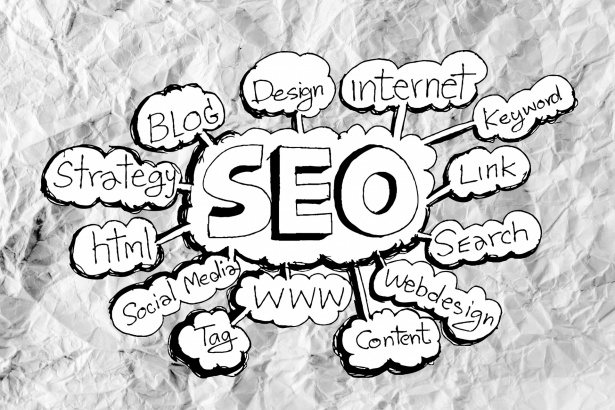
On-page SEO is where most rankings are won or lost.
It controls how search engines understand your content and how users experience your pages.
This guide explains on-page SEO step by step, with practical tips you can apply to any website, including SEO tools and content pages.
What Is On-Page SEO?
On-page SEO refers to optimizing individual web pages to improve rankings and usability.
It focuses on:
-
Content quality
-
Page structure
-
Keywords
-
Internal links
-
User experience
On-page SEO is fully under your control, making it one of the most powerful SEO areas.
Why On-Page SEO Matters
Even with backlinks, poor on-page SEO limits performance.
Strong on-page optimization:
-
Improves relevance
-
Helps search engines understand your topic
-
Increases click-through rates
-
Improves user engagement
Search engines reward pages that clearly solve user problems.
Start with Search Intent
Search intent defines what users expect to see.
Before optimizing, ask:
-
Is the user looking for information?
-
Are they comparing options?
-
Do they want a tool or solution?
Your page must match intent perfectly to rank.
Title Tags: Your Most Important On-Page Element
Title tags strongly influence rankings and clicks.
Best Practices
-
Include the main keyword
-
Keep under 60 characters
-
Make it clear and compelling
Bad titles confuse users and search engines.
Meta Descriptions That Drive Clicks
Meta descriptions do not directly affect rankings, but they affect traffic.
Good meta descriptions:
-
Explain the page clearly
-
Encourage clicks
-
Include keywords naturally
Think of them as mini advertisements.
URL Structure and SEO
Clean URLs help both users and search engines.
SEO-Friendly URLs
-
Short and descriptive
-
Lowercase letters
-
Hyphens instead of underscores
Example:/on-page-seo-guide
Avoid:
-
Random numbers
-
Unnecessary parameters
Content Optimization That Actually Works
Content is the core of on-page SEO.
Write for Humans First
Search engines are designed to rank content people like.
Good content is:
-
Clear
-
Helpful
-
Easy to scan
Short paragraphs and simple sentences improve readability.
Use Headings Properly (H2 & H3)
Headings structure your content.
Best practices:
-
One H1 per page
-
Use H2 for main sections
-
Use H3 for subtopics
Headings help:
-
Search engines understand topics
-
Users scan faster
Keyword Placement Without Stuffing
Keywords should appear naturally.
Place them in:
-
Page title
-
Headings
-
First paragraph
-
Image alt text
-
Internal links
Avoid repeating keywords unnaturally.
Internal Linking for SEO Power
Internal links connect your content.
Benefits:
-
Improves crawlability
-
Passes authority
-
Increases time on site
On belgarabia.com, internal links should connect:
-
SEO guides
-
Tools pages
-
About, Contact, and Privacy Policy
Image Optimization for SEO
Images improve engagement but can hurt speed if not optimized.
Best Practices
-
Use compressed images
-
Descriptive file names
-
Proper alt text
Image suggestion:
Image: Optimized vs unoptimized image example
Alt text: image optimization for on-page SEO
Alt text improves accessibility and SEO.
Page Speed and User Experience
Slow pages lose rankings and users.
Improve speed by:
-
Compressing images
-
Reducing scripts
-
Using caching
User experience is now a ranking factor.
Mobile Optimization
Most searches happen on mobile.
Ensure:
-
Responsive design
-
Readable text
-
Easy navigation
Google uses mobile-first indexing.
Structured Content Improves Rankings
Well-structured pages perform better.
Use:
-
Bullet points
-
Short sections
-
Clear transitions
Good structure improves dwell time and engagement.
On-Page SEO Mistakes to Avoid
Avoid these common issues:
-
Thin content
-
Keyword stuffing
-
Poor headings
-
Broken internal links
-
Duplicate pages
Small mistakes add up.
Tools That Help with On-Page SEO
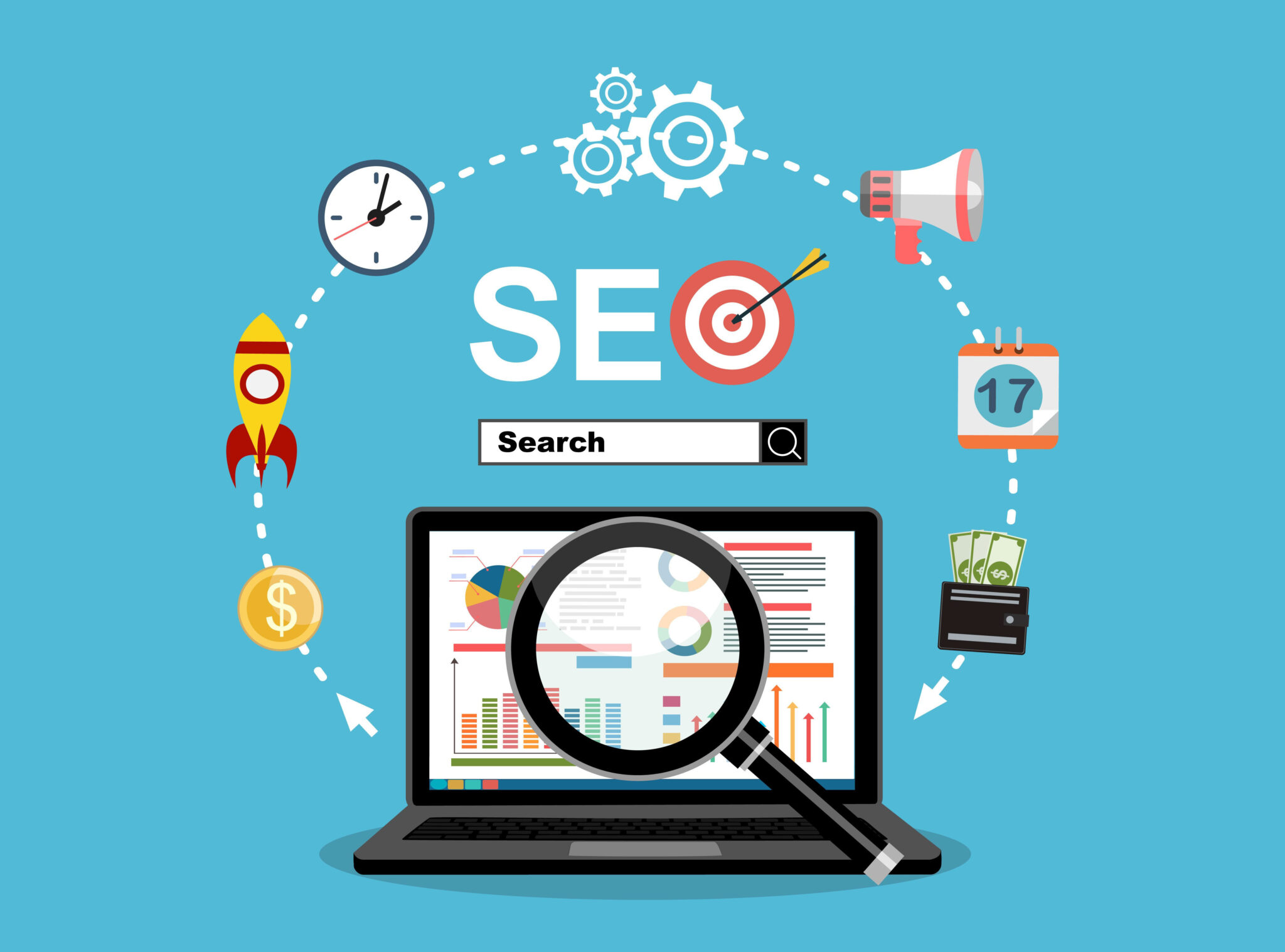
SEO tools simplify optimization.
On belgarabia.com, on-page tools help:
-
Analyze content
-
Improve structure
-
Identify SEO gaps
Trusted external resources:
-
Google Search Console
-
Google Search Central
How Often Should You Update On-Page SEO?
SEO is ongoing.
Update pages when:
-
Content becomes outdated
-
Rankings drop
-
Search intent changes
Fresh content performs better over time.
On-Page SEO and Conversions
SEO is not just about rankings.
Well-optimized pages:
-
Build trust
-
Improve usability
-
Increase conversions
Traffic without engagement has little value.
Final Thoughts on On-Page SEO
On-page SEO is the foundation of ranking success.
When done correctly, it:
-
Improves visibility
-
Enhances user experience
-
Supports long-term growth
Focus on clarity, intent, and quality.